
Learn About Miso — From Our Factory to Your Table
Miso is more than just an ingredient — it’s a bridge between tradition and innovation. At Miyasaka Indonesia, we are committed to sharing the story, benefits, and countless ways to enjoy miso, so you can create dishes that enrich every moment.
What is Miso?
Miso is a traditional Japanese seasoning made by fermenting soybeans with koji and salt. Koji is made by growing koji mold on rice, barley, or soybeans. This natural fermentation unlocks layers of flavor — deep umami, gentle sweetness, and a savory aroma — making it a staple in kitchens for centuries.
At Miyasaka Indonesia, we bring this time-honored craft to your table, ensuring every batch delivers authentic taste and consistent quality.

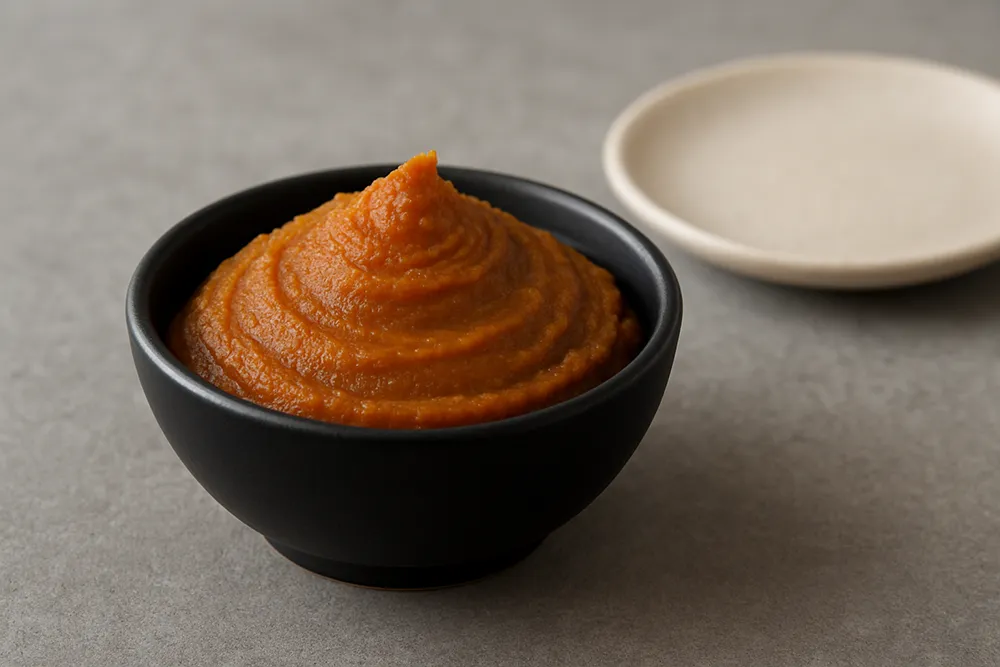
Understanding the Different Types of Miso
Shiro Miso
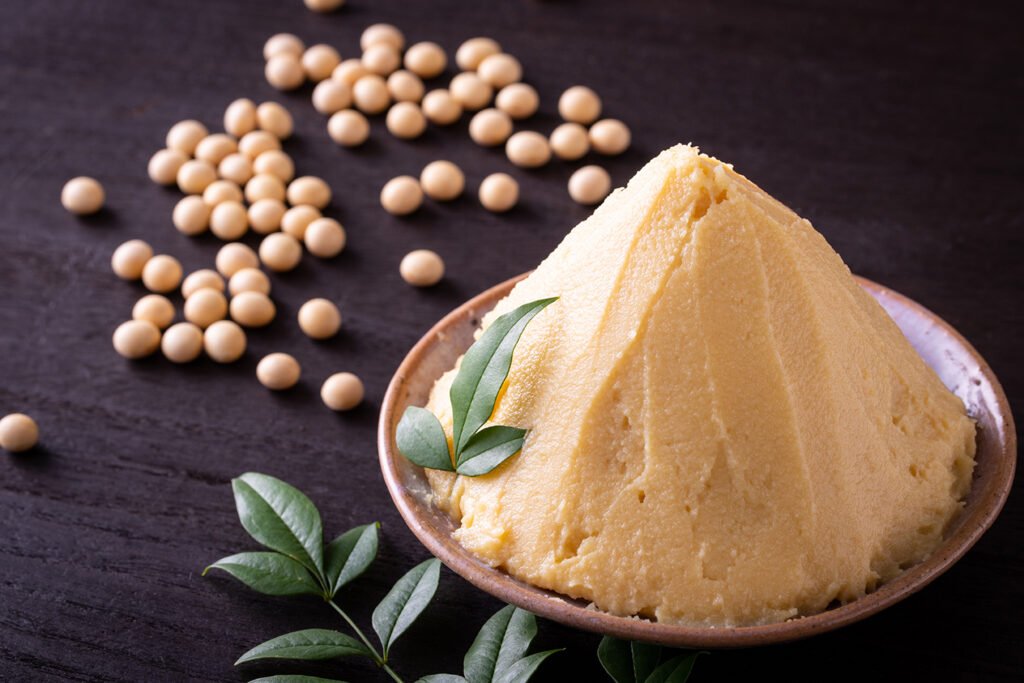
The taste and color of miso change depending on the fermentation period and temperature. Therefore, both of these factors must be controlled during fermentation. Also known as white miso, shiro miso is fermented for a short period of time and becomes white and flavorful. Generally, shiro miso has a refreshingly umami-rich sweet and salty flavor, and is often used in light dishes to enhance the flavor of the dish. Shiro miso is great for soups, dressings, and marinades.
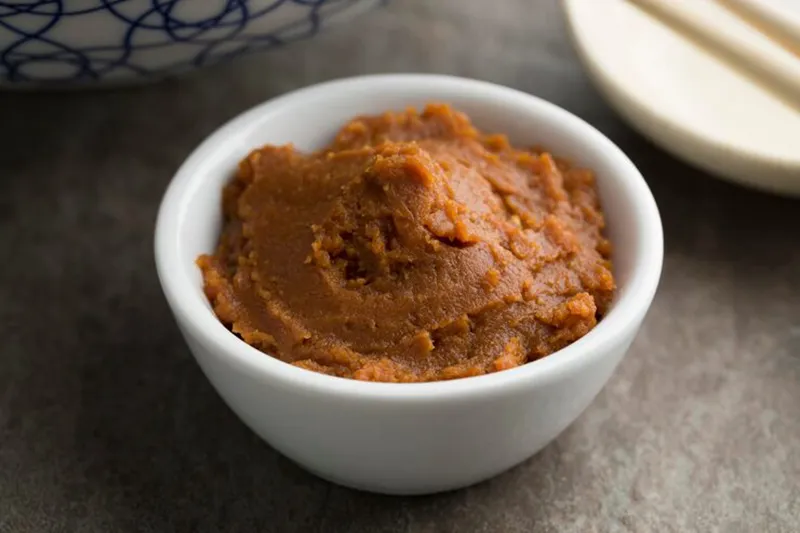
While shiro miso is also known as white miso, aka miso is also called red miso. Aka miso is fermented for a longer period of time than shiro miso, resulting in a richer, browner red miso. In general, aka miso has a salty, bold flavor balanced with a rich umami taste, making it ideal for hearty dishes, especially in winter.
Unlike shiro, aka miso can overpower the flavor of lighter ingredients, so when cooking with aka miso, care must be taken to ensure the other ingredients can withstand its richness. Aka miso is great in stews and to add in marinades.
Aka Miso
Miso Comparison
Shiro Miso (White Miso)
Fermentation & Ingredients
Short fermentation.
Flavor Profile
Mild, slightly sweet, light.
Color
Pale yellow to light beige.
Best Uses
Soups, dressings, marinades, lighter dishes.
Aka Miso (Red Miso)
Fermentation & Ingredients
Longer fermentation.
Flavor Profile
Bold, rich, deep umami.
Color
Dark red to brown.
Best Uses
Stews, hearty dishes, strong-flavored marinades.
The Benefits of Miso
- Rich in Probiotics → Miso is a fermented food that supports gut health and excretion.
- Boosts Immunity → Contains essential minerals, vitamins (B, K, E), and antioxidants.
- Protein Source → Made from soybeans, it provides plant-based protein, suitable for vegetarians.
- Heart Health → Isoflavones in soy may help lower cholesterol and support cardiovascular health.
- Bone Strength → Miso contains vitamin K and calcium which support bone health.
How Miso Supports Your Healthy Lifestyle

Naturally Fermented
Fermentation develops beneficial enzymes and deepens flavor

Plant-Based Protein Source
Supports muscle health and balanced nutrition

Rich in Essential Nutrients
Contains vitamins (B, E, K) and minerals

Digestive Support
Fermentation produces components that help maintain gut health

Low in Fat, Full of Flavor
Adds richness without excessive oil

Halal-Certified
Enjoyed by everyone with confidence
Our Ingredients
Soybeans
Soybeans are the heart of every miso. Naturally rich in protein, fiber, vitamins, and minerals, they bring both nutrition and depth of flavor. At Miyasaka, we use only non-GMO soybeans to ensure quality and purity in every batch of miso.
Koji (rice, soybeans, or barley)
Koji is the magical starter culture of miso fermentation. When grown on steamed rice, soybeans, or barley, it produces active enzymes that transform ingredients into umami-rich miso. These enzymes break down proteins into amino acids and carbohydrates into natural sweetness, creating the signature taste and aroma of miso.
Salt
Salt in miso does more than season—it preserves. By balancing flavor and preventing unwanted bacteria, salt has allowed miso to remain a trusted, non-perishable food in Japanese kitchens for centuries.
Water
Great miso begins with great water. We use clean, soft water to bring out the rich, smooth taste of miso at every stage of production. This purity ensures a delicate balance of flavors in the final product.